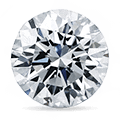



Recycled Diamonds and Gemstones: American Diamonds - Refined
Natural stones already above ground, recut by hand. No new mining, no lab energy.
Defined
What are American Diamonds - Refined?
American Diamonds - Refined are natural diamonds, most of them first cut before 1970, that we buy back through our own wholesaler and recut to today's top cut standards, up to AGS 000.
Each one goes through a meticulous process of recutting and repolishing to refine its brilliance and, where possible, improve its grade. The result is exceptional light performance and visual appeal, often surpassing that of newly mined stones.
Every refined diamond is stunning and carries a history of its own, which makes it a compelling choice for discerning buyers. The same approach applies to colored gemstones: rubies, sapphires and emeralds recovered from older jewelry can be reset, and often recut, rather than mined anew.
Sustainability isn't the compromise. It's the upgrade.
- No new mining. Every recycled stone is already above ground.
- No lab energy. Recutting and polishing is all it takes, with none of the electricity needed to grow a diamond.
- A circular economy. Reusing and repurposing diamonds keeps them in circulation, reduces waste and brings real sustainability to fine jewelry.
- A natural stone with a past. Each diamond keeps its geological history and the story of the jewelry it came from.
In a retail environment, buyers are usually offered two choices: newly mined or lab-grown.
Recycled stones are the third. Read how the three compare.
The three choices
Mined, lab-grown or recycled: how they compare
Footprint figures for diamonds vary by mine, grower and study, and most studies were paid for by one side of the industry. We show ranges, name the source and say who commissioned it.
| Newly mined diamond | Lab-grown diamond | Recycled diamond (American Diamonds - Refined) | |
|---|---|---|---|
| Where it comes from | Mined from the earth | Grown in a laboratory, most sizes in less than a month | Already in circulation: estates, older jewelry and private sellers |
| Energy per carat | 52–150 kWh (2021 review commissioned by lab-grown producer Skydiamond) | No recent independent figure. A 2019 estimate from a lab-grown seller: about 250 kWh for the most efficient growers, about 750 kWh for most | Recutting and polishing only |
| Other footprint | 57–160 kg CO2e and 100–272 sq ft of land disturbed per carat | Much production is in China and India, where coal generated 54% and 71% of electricity in 2025 | No new mining or growth |
| Natural stone | Yes | No, made in a laboratory | Yes, with its history intact |
| How GIA grades it | Full color and clarity grades | Since October 2025, Premium or Standard only, with no color or clarity grades (some other labs, such as IGI, still use the 4Cs) | Full color and clarity grades, like any natural diamond |
Sources: mined figures from a 2021 Imperial College Consultants review, commissioned by Skydiamond; lab-grown energy figures from JCK (2019), citing Jason Payne of lab-grown seller ADA Diamonds; coal shares from Ember (2026); growth time from GIA; grading from GIA (August 2025).
The key difference
Ethically sourced, sustainable and recycled diamonds: what the terms mean
Ethically sourced and sustainable are often used as if they mean the same thing. They don't, and knowing the difference makes it easier to choose the most responsible diamond for you.
What are ethically sourced diamonds?
Ethically sourced describes how a diamond was obtained. For newly mined diamonds, it means extraction under strict labor, environmental, and conflict-free standards: fair wages, safe working conditions, and efforts to limit ecological damage.
Lab-grown diamonds are often described as ethically sourced too, because no mining labor is involved.
What are sustainable diamonds?
Sustainable describes a diamond's long-term environmental and social impact. Some mining operations are making real progress on land restoration and carbon offsetting, but mining still involves significant ecological disruption, water use and emissions.
Lab-grown diamonds are often marketed as the sustainable choice, yet growing them takes large amounts of electricity, and much production is in China and India, where coal generated 54% and 71% of electricity in 2025 (Ember, 2026). Depending on how and where a stone is grown, its carbon footprint can be higher than buyers expect.
What are recycled (refined) diamonds?
Recycled diamonds, also called post-consumer or refined diamonds, are natural diamonds that have already been mined, set, and worn, then bought back and returned to the market. They need no new mining and no lab energy, which is why we believe they are the most responsible choice available today.
American Diamonds - Refined are our recycled diamonds, recut to modern standards.

The Rothschild Difference
The material
Why older diamonds?
Most of the diamonds we refine were first cut before 1970, from rough mined generations ago. Many came from mines that have long since closed. Our cutters prize that older material for its crispness, and in our experience it rewards a modern recut beautifully.
Cut by hand, for a different light. Before computer-planned cutting, diamonds were shaped largely by eye. Old Mine and Old European cuts were cut to keep as much weight as possible, before today's light-performance standards existed. That leaves room to recut.
Room to refine. Because older cuts tend to carry generous proportions, a skilled recut can balance brilliance and weight: modernizing the proportions, sharpening the facets and lifting the grade, while keeping as much of the original stone as the diamond allows.
Older than modern treatments. Most of these stones were first cut decades before fracture filling (first seen by GIA in 1987, GIA) and HPHT color treatment (introduced in 1999) reached the market.
A story you can wear. Each stone has already been part of someone's life, often for decades. Refining it lets that story continue with you.
Prefer the original character? Browse Old European cut diamonds and Old Mine cut diamonds.
The craft
How we recut
Every American Diamonds - Refined stone is recut individually. We aim for an Ideal cut or GIA Excellent symmetry and polish, and up to AGS 000. Along the way we:
- Re-cut the proportions for maximum brilliance, fire and scintillation.
- Remove surface blemishes and shallow inclusions where we can do so without giving up too much weight.
- Restore chips and wear from decades on the hand.
The examples below are shown at 10x magnification.
We recut for brilliance
Diamonds cut before modern equipment and techniques were rarely cut for optimal light performance.
Recutting restores the light performance older cutting couldn't reach.


We remove imperfections
Modern equipment lets us cut away surface blemishes and shallow inclusions.
That can improve the clarity grade, and with it the value of the diamond.
Often this is possible with only a small loss of weight.


We restore damage
Chips and abrasions from decades of wear are common in older diamonds.
Recutting removes the damage and returns the stone to excellent condition.


Color
Recycled colored gemstones
New supply of fine colored stones is shrinking. No large new gem deposit has been found since the Madagascar sapphire and Mozambique ruby discoveries of 1998 and 2008, premium ruby output at Mozambique's Montepuez mine fell from 62,392 carats in 2023 to 40,006 in 2024, and dealers are turning to estate jewelry for supply (Rapaport, March 2026). Gemfields' emerald auction prices rose more than 40% between November 2024 and September 2025 (GUILD Gem Laboratories).
Recycled rubies, sapphires and emeralds answer that shortage. Many older stones were also set before newer treatments reached the market, such as beryllium diffusion of rubies and sapphires, introduced in 2001 to 2002 (GIA). Heat treatment, though, is centuries old, so every colored stone should still be tested.
Sourcing
Where our stones come from
Every American Diamonds - Refined stone comes through Rothschild Trading, our own vertically integrated wholesaler. It buys post-consumer diamonds and colored stones from pawnbrokers, appraisers, estates and private sellers, so we know where each stone entered our hands.
- Responsible Jewellery Council: Rothschild Trading is certified to the RJC Code of Practices for diamonds, rubies, sapphires, emeralds and gold, and holds RJC Chain of Custody certification for gold (view certification).
- Sustainable Pittsburgh: Diamonds by Rothschild is a Gold Designated Shop.
- Jewelers of America: member jeweler.
We work from the historic Clark Building in downtown Pittsburgh, and our free Rothschild Jewelry Care Plan covers lifetime cleaning and maintenance. Read our story.
Certified and recognized


Browse diamonds by shape
Looking specifically for a recycled diamond? Shop American Diamonds - Refined.


Questions about recycled diamonds
What are recycled diamonds?
Recycled diamonds are natural diamonds that have already been mined, set and worn, then bought back, recut and offered again. No new mining is needed to bring them to market. At Diamonds by Rothschild they are sold as American Diamonds - Refined.
Are recycled diamonds as good as new ones?
They are natural diamonds, graded on the same color and clarity scales as any natural diamond. Because we recut them to today's cut standards, up to AGS 000, many return more light than they did when they were first cut. Most of the diamonds we refine were originally cut before 1970.
Where do your recycled diamonds come from?
Rothschild Trading, our vertically integrated wholesaler, buys post-consumer diamonds from pawnbrokers, appraisers, estates and private sellers. Rothschild Trading is certified to the Responsible Jewellery Council's Code of Practices for diamonds, rubies, sapphires, emeralds and gold, and holds RJC Chain of Custody certification for gold.
Do you offer recycled colored gemstones?
Yes. Through Rothschild Trading we source rubies, sapphires and emeralds recovered from older jewelry. Tell us what you are looking for and we will find a stone and set it to your design.
Can I sell my own diamonds?
Yes. We buy diamonds and fine jewelry at the Clark Building. Diamonds we buy may become the next American Diamonds - Refined.
Visit us
See an American Diamond - Refined in person
Book a consultation at the Clark Building, 717 Liberty Avenue, Suite 203, and we will show you American Diamonds - Refined side by side under the loupe.

Mined, lab-grown or recycled?
Lab-Grown or Natural? Why Recycled Diamonds Make Sense.
Torn between natural and lab-grown diamonds? Discover American Diamonds - Refined. Hand-selected & expertly recut. No compromises, just unmatched brilliance.